
As Canadians, we’re no strangers to the thrill of ice fishing. The vast frozen lakes and rivers that crisscross our country provide an unparalleled opportunity to test our skills and connect with nature. However, with the rise of online platforms like icefishinggame.ca, it’s easy to get caught up in the excitement of virtual ice fishing without understanding the complexities of the real thing. In this article, we’ll explore the ins and outs of ice fishing in Canada, from essential equipment and safety tips to top ice fishing spots and the best times to go.
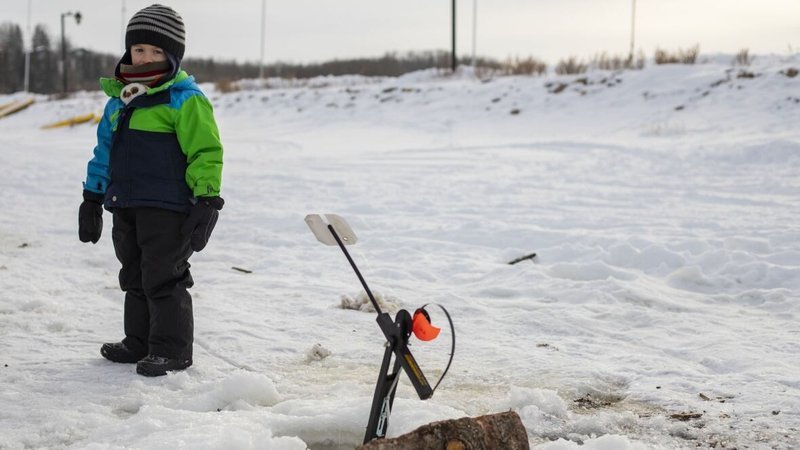
The Allure of Ice Fishing in Canada
Ice fishing is a popular pastime in Canada, offering a unique thrill and adventure. The country’s vast frozen lakes and rivers provide an ideal setting for ice fishing enthusiasts. However, there are some essential tips and precautions to keep in mind when engaging in this activity.
Equipment and Safety
Choosing the right ice fishing gear is crucial for a successful and safe experience. Here are some essential items to consider:
| Equipment | Description | Recommendations |
|---|---|---|
| Ice auger | Used to create holes in the ice for fishing | Gas-powered or manual augers are recommended |
| Ice shelter | Provides protection from the elements and wind | Look for shelters with good ventilation and insulation |
| Fishing rod and reel | Choose a rod and reel combo suitable for ice fishing | Consider a medium to heavy action rod and reel |
| Ice fishing lures | Select lures that imitate baitfish or other prey | Jigs, spoons, and flies are popular choices |
icefishinggame.ca provides a comprehensive guide to ice fishing equipment and safety tips. Understanding local regulations and weather conditions is vital to avoid accidents. Always check the ice thickness before venturing out and be aware of any signs of thin ice.
Understanding Ice Fishing Regulations
Familiarize yourself with local ice fishing regulations, including catch limits and season closures. Be aware of any restrictions on gear and bait. Respect the environment and follow sustainable fishing practices. Here are some key regulations to keep in mind:
| Regulation | Description |
|---|---|
| Catch limits | Check local guidelines for daily catch limits and size restrictions |
| Season closures | Familiarize yourself with season closures and restricted areas |
| Gear restrictions | Be aware of any restrictions on gear, such as nets or traps |
| Bait restrictions | Check local guidelines for bait restrictions, such as live bait or artificial lures |
Top Ice Fishing Spots in Canada
From Lake Ontario to Lake Winnipeg, Canada offers numerous world-class ice fishing spots. Explore the best locations for species like walleye, pike, and trout. Discover hidden gems and local favorites among ice fishing enthusiasts.
| Province | Location | Species | Best Time |
|---|---|---|---|
| Ontario | Lake Ontario | Walleye, Pike | December to February |
| Manitoba | Lake Winnipeg | Walleye, Sauger | January to March |
| Quebec | Lac Saint-Jean | Trout, Pike | February to April |
The Best Time to Go Ice Fishing in Canada
Plan your trip according to the best ice fishing seasons, which vary by region. Learn about the optimal water temperature and ice conditions for a successful catch. Be prepared for variable weather conditions and potential delays.
| Region | Best Time | Water Temperature | Ice Conditions |
|---|---|---|---|
| Southern Ontario | December to February | 32°F to 40°F (0°C to 4°C) | 4 to 12 inches (10 to 30 cm) |
| Northern Ontario | January to March | 28°F to 36°F (-2°C to 2°C) | 8 to 18 inches (20 to 45 cm) |
| Manitoba | January to March | 24°F to 32°F (-4°C to 0°C) | 10 to 20 inches (25 to 50 cm) |
Staying Safe on the Ice
Know the signs of thin ice and avoid venturing onto areas that are too weak. Use proper ice augering techniques to avoid accidents. Stay informed about local weather forecasts and ice conditions. Here are some key safety tips to keep in mind:
| Safety Tip | Description |
|---|---|
| Check ice thickness | Use a tape measure or auger to check ice thickness before venturing out |
| Avoid thin ice | Steer clear of areas with signs of thin ice, such as cracks, pressure ridges, or dark spots |
| Use proper augering techniques | Use a gas-powered or manual auger to avoid accidents |
| Stay informed | Check local weather forecasts and ice conditions before heading out |