
Understanding Nicaragua Sanctions: Implications and Regulatory Overview
Nicaragua has been the focus of international sanctions due to its political climate, human rights violations, and actions contrary to democratic principles. These sanctions have been structured to pressure the Nicaraguan government into changing its policies. This article provides a comprehensive overview of the sanctions imposed on Nicaragua, exploring their history, regulatory frameworks, and the broader implications for international relations and trade. For a detailed regulatory overview and implications of Nicaragua sanctions, visit information on Nicaragua sanctions http://projectev.co.uk/pages/nicaragua-sanctions-regulatory-overview-and-implications.html.
Historical Context of Sanctions Against Nicaragua
The imposition of sanctions on Nicaragua can be traced back to its political turmoil in the late 20th century, particularly during the Sandinista revolution that led to significant social and economic changes. The United States played a pivotal role in sanctioning the Sandinista government, fearing the spread of communism in Central America. The sanctions were aimed at curtailing military support and economic aid to the Sandinista regime.
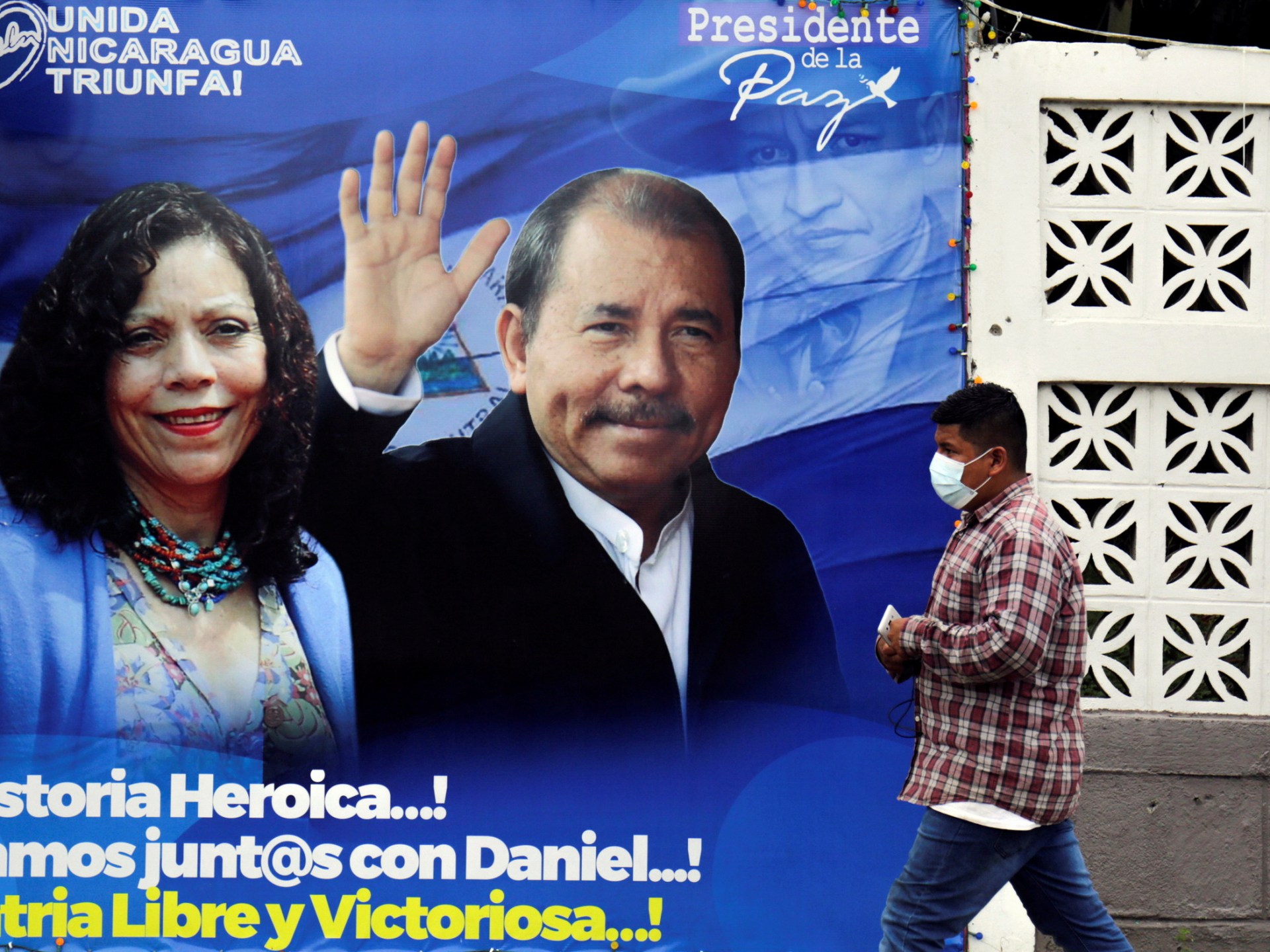
After the fall of the Sandinistas in 1990, Nicaragua experienced a period of relative stabilization and the lifting of many sanctions. However, the political landscape shifted again in recent years, leading to renewed international concern over human rights abuses and the deterioration of democratic institutions under President Daniel Ortega.
Current Sanctions Overview
As of 2023, the United States and several other countries and organizations have imposed various sanctions on Nicaragua. These sanctions primarily target individuals, government officials, and entities associated with the Ortega administration. The objectives of these sanctions include promoting accountability for human rights violations and undermining the government’s ability to suppress dissent.
Types of Sanctions
Sanctions against Nicaragua can be classified into several categories:

- Asset Freezes: Targeting individuals and entities associated with the Ortega government, preventing them from accessing U.S. financial markets and assets.
- Travel Bans: Prohibiting specific individuals from entering the United States, aiming to hold them accountable for human rights abuses.
- Trade Restrictions: Limiting the export of certain goods and services to Nicaragua, especially those that could be utilized for repression.
Regulatory Framework
The regulatory framework surrounding Nicaragua sanctions has evolved over time, influenced by the political climate and international relations. The U.S. Department of the Treasury, particularly its Office of Foreign Assets Control (OFAC), is primarily responsible for enforcing these sanctions.
The legislative basis for the sanctions includes various acts, such as the Nicaragua Investment Conditionality Act and the International Emergency Economic Powers Act, which provide the authority for imposing economic penalties in response to national emergencies and foreign threats.
Compliance Obligations
Businesses and individuals engaging with Nicaragua must be aware of their compliance obligations under these sanctions. Firms must conduct thorough due diligence to ensure that they do not inadvertently engage in transactions with sanctioned individuals or entities.

Failure to comply with these sanctions can result in severe penalties, including hefty fines and legal repercussions. Therefore, understanding the landscape of Nicaragua sanctions is crucial for anyone looking to operate in or interact with the country.
Implications of Sanctions
The implications of sanctions on Nicaragua are far-reaching. They not only affect the targeted individuals and government entities but also have broader consequences for the Nicaraguan economy and society.
Economic Impact
Sanctions have led to economic hardship for many Nicaraguans, exacerbating the already challenging economic conditions. Restricted access to international markets has hindered economic growth, affected businesses, and increased unemployment. Inflation has surged, and essential goods have become scarce, causing further distress for the population.
Political Ramifications
Politically, sanctions exert pressure on the Ortega government to change its behavior, but they can also entrench resistance from the regime. The government frequently frames sanctions as foreign aggression, using them to rally domestic support and divert attention from internal issues.
International Reaction
The international community’s reaction to Nicaragua’s situation has been varied. Some countries support the sanctions as necessary measures to promote democracy and protect human rights, while others criticize them as counterproductive, arguing that they may harm the civilian population more than the government.
Organizations such as the Organization of American States (OAS) and the United Nations have expressed concerns about the human rights situation in Nicaragua, pushing for dialogue and democratic reforms. However, the efficacy of sanctions as a tool for change remains debated among experts.
The Way Forward
Moving forward, the question of how to effectively support Nicaraguans in their quest for democracy while addressing the immediate humanitarian concerns is paramount. Future policy should consider a balanced approach that combines diplomatic engagement, humanitarian aid, and targeted sanctions to encourage positive change without exacerbating the suffering of everyday citizens.
In conclusion, sanctions on Nicaragua serve as a complex tool in the international community’s response to human rights violations and undemocratic practices. While they are intended to promote accountability and advocate for democratic ideals, the broader impacts on the Nicaraguan population and socio-economic conditions cannot be overlooked. A nuanced approach is necessary to navigate the challenges posed by these sanctions effectively, ensuring that they contribute toward a more democratic and just society in Nicaragua.